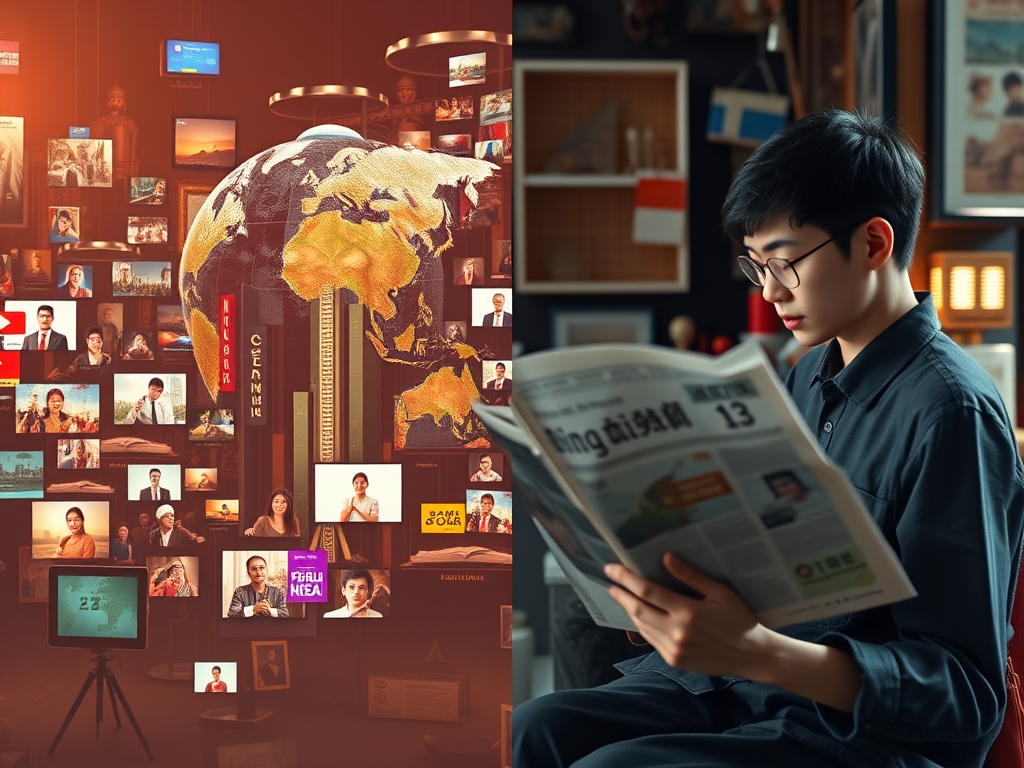
The question of whether to embrace further internationalization in communication or to assert national policies to protect domestic cultures is complex and multifaceted. Many argue that the globalization of media threatens national identities and cultural integrity, while others see it as a necessary step toward fostering a more connected and informed global society.
The Case for Internationalization
Proponents of internationalization argue that exposure to global media and diverse perspectives enriches national cultures. In an age where information is readily accessible, individuals benefit from greater openness to external media and values. This exposure fosters understanding, tolerance, and collaboration across borders. Some studies have shown that countries with more international media engagement tend to exhibit higher levels of innovation and creativity, as they are not confined within narrowing cultural boundaries.
Moreover, as societies become more interconnected, it is crucial to understand global issues—be it climate change, economic fluctuations, or geopolitical tensions. International media can play a vital role in educating audiences about these pressing matters, thereby empowering citizens to make informed decisions.
The Case for Nationalization
On the other hand, the argument for safeguarding national cultures through media regulation remains compelling. The persistent power imbalances and the reality of transboundary media flaws can compromise the integrity of domestic information ecosystems. For instance, the narrative that dominates international media can sometimes lead to misinformation or an incomplete understanding of local issues.
Governments may prioritize regulations that protect domestic audiences from external influences that could distort or dilute cultural narratives. These policies can help bolster local industries and ensure that media content reflects the values and historical context of the nation. However, it is essential to balance these protections with the need for diverse and accurate information. Over-regulation might inadvertently stifle innovation and limit exposure to beneficial external ideas.
Striking a Balance
A nuanced approach could involve promoting a strategic balance between the two extremes. For instance, media policies could be designed to encourage international collaboration while simultaneously nurturing local content. Governments could support initiatives that allow for the import of valuable foreign media while ensuring that local narratives and traditions are not overshadowed.
Case studies from around the world highlight this tension. Take, for example, the differing dynamics in regions like Israel and Iran, Ukraine and Russia, or Venezuela. Each scenario illustrates the complexity of international influences on national media landscapes and the impact on public perception and democracy.
In Venezuela, media played a crucial role in conveying the gravity of political crises, such as the actions of President Maduro, whose government has faced accusations of severe human rights violations. This illustrates how both international and local media can provide critical insights into domestic issues. However, excessive nationalization could impede the flow of such essential information.
Conclusion
Ultimately, my stance leans towards safeguarding national media policies while recognizing the value of international perspectives. A balanced approach would help protect cultural integrity without closing off the necessary flow of information or innovative ideas. By fostering an environment where both domestic and international media can coexist, societies can cultivate informed citizens well-equipped to navigate the complexities of our globalized world.

Leave a comment